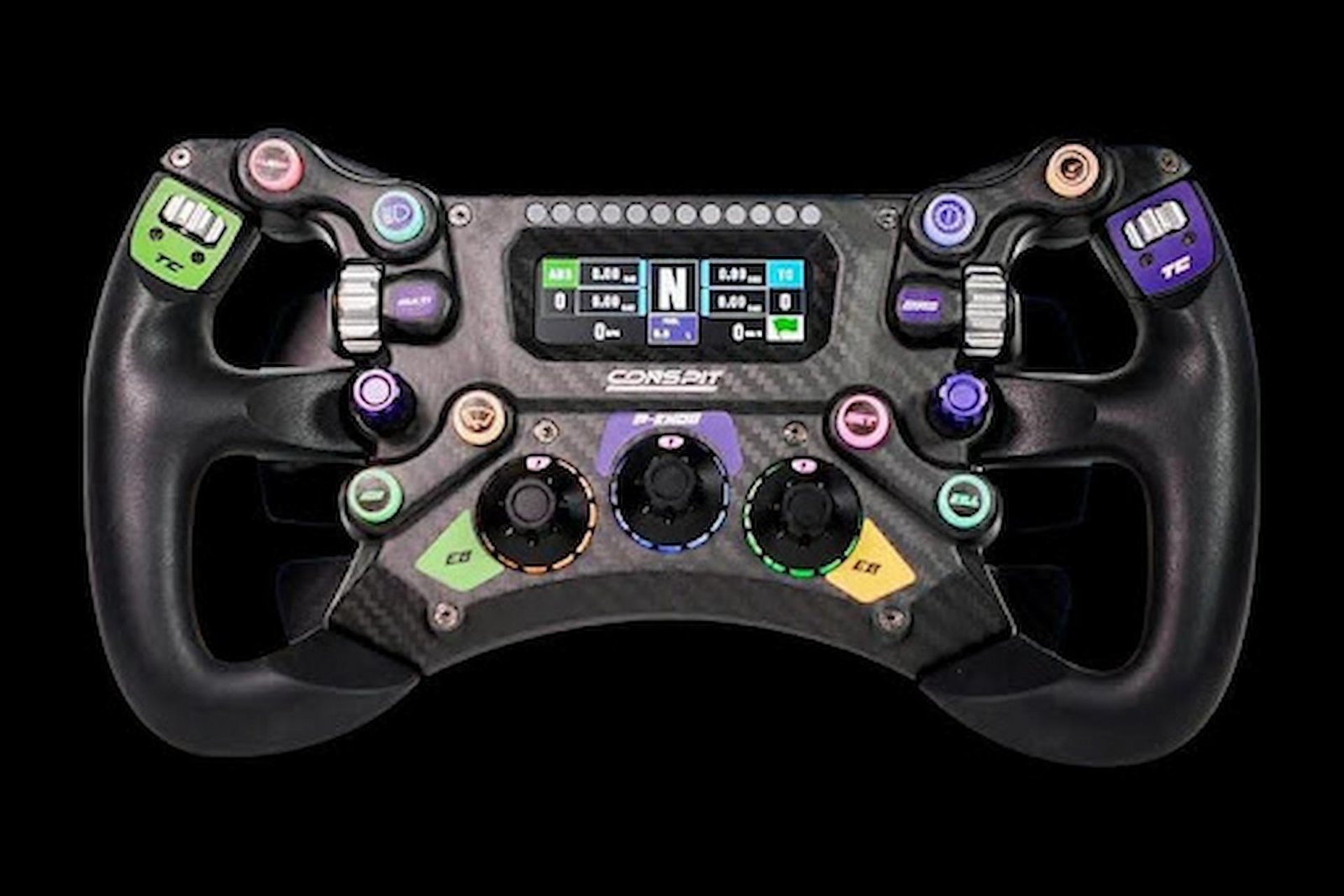
As sim racing continues to blur the line between virtual and real driving, technology is evolving to deliver an experience that feels authentic down to the smallest detail. At the heart of this shift is the conspit steering wheel — a game-changing innovation redefining how drivers interact with their virtual machines and setting new benchmarks for driving realism.
Sim racing enthusiasts and professional drivers alike share a common pursuit: authenticity. They want the roar of the engine, the resistance of the tyres, and the tactile feedback of the road beneath the wheels — all from the comfort of their home setup. But while graphics and physics engines have evolved dramatically, one key element has often fallen short: the steering experience. That’s when the Conspit steering wheel enters the race, built to bring the road to your fingertips with every turn and every vibration.
The Demand for Authenticity in Sim Racing
Modern sim racing is no longer a casual pastime — it’s a highly technical discipline used by both hobbyists and professionals to refine driving skills. With esports competitions, real-world driver training, and increasingly advanced simulators, the demand for realism has skyrocketed.
A steering wheel isn’t just a controller anymore; it’s the driver’s most direct connection to the virtual car. Every vibration, resistance, and force feedback cue informs decisions on acceleration, braking, and cornering. A split-second misinterpretation can mean the difference between winning and spinning out. The conspit steering wheel was engineered with this reality in mind.
Precision Engineering: Where Technology Meets Tactile Sensation
What sets the conspit steering wheel apart isn’t just its build quality — it’s the precision with which it replicates real-world driving dynamics. Equipped with advanced force feedback motors, high-torque output, and finely tuned sensors, it captures nuances that cheaper wheels simply miss.
- High-Resolution Feedback: Micro-level road textures, kerb vibrations, and surface changes are conveyed directly to the driver’s hands.
- True-to-Life Resistance: Adaptive torque simulates weight transfer, tyre grip, and understeer, offering an immersive connection to the virtual track.
- Seamless Responsiveness: Low-latency response ensures that every steering input is translated instantly, creating a natural and intuitive control experience.
This level of engineering bridges the gap between simulation and reality, making driving not just more immersive but also more instructive for those seeking to improve their real-world skills.
The Role of Force Feedback in Driving Mastery
Force feedback is the soul of any steering system, and the conspit steering wheel excels here. Traditional wheels often over-exaggerate or oversimplify feedback, but Conspit’s approach is rooted in physics-based realism. By accurately simulating weight distribution, traction loss, and suspension behaviour, drivers can anticipate and react as they would behind the wheel of an actual vehicle.
For example, a subtle shift in steering resistance might signal that tyres are nearing their grip limit, allowing the driver to correct their line before losing control. Over time, this builds real-world driving instincts, which is why many motorsport professionals incorporate high-end sim rigs into their training routines.
Customisation and Comfort: Designed for Every Driver
Realism isn’t just about feedback — it’s about feel. The conspit steering wheel is designed with ergonomics and personalisation at its core. Adjustable resistance levels, custom button mapping, and interchangeable grips allow drivers to tailor the experience to their preferences. Whether you’re navigating a technical rally stage or mastering a Formula 1 circuit, you can fine-tune the wheel to match the demands of your driving style.
Comfort also plays a critical role in sustained performance. With premium materials, optimised grip textures, and a natural hand position design, long racing sessions become more enjoyable and less fatiguing.
How It Elevates Competitive Performance
In competitive sim racing, every millisecond counts. The enhanced feedback and responsiveness of the conspit steering wheel don’t just make the experience more realistic — they offer a tangible competitive edge. Drivers gain better car control, more precise cornering ability, and sharper responses to environmental changes. This translates into faster lap times, fewer mistakes, and improved consistency, all of which are crucial in competitive scenarios.
Beyond Gaming: Real-World Training Applications
The influence of advanced simulation hardware extends beyond gaming. Motorsport teams and driving schools are increasingly integrating high-end steering systems into their simulators to provide realistic, risk-free training environments. The conspit steering wheel’s ability to replicate real-world feedback makes it an ideal tool for developing muscle memory, improving reaction times, and learning advanced driving techniques — all without the cost and risk of a track session.
The Future of Driving Simulation
As virtual driving technology continues to evolve, the expectations for realism will only grow. With innovations like the conspit steering wheel, we’re moving closer to a future where the line between simulation and reality is almost indistinguishable. For enthusiasts, that means deeper immersion. For professionals, it means a more effective and accessible way to refine their craft.
Wrapping Up:
The steering wheel has always been a driver’s most essential connection to their vehicle — and in the digital age, that’s truer than ever. The conspit steering wheel isn’t just a piece of hardware; it’s a revolution in how we experience, learn, and master driving in virtual environments. Whether you’re chasing podium finishes or honing real-world racing instincts, it offers a level of realism that’s raising the bar for the entire sim racing community.