Have you ever tried to resolve a frustrating problem with a customer service chatbot, only to feel completely misunderstood? You type out your issue, but the machine replies with a cold, repetitive script. We interact with artificial intelligence every day, yet many of these systems still lack a crucial element: human empathy.
Technology moves fast, but humans still crave genuine connection. We want to feel heard, understood, and valued. This is exactly where the concept of humanizing AI steps in to change how we interact with software.
This guide explores what humanizing AI actually means and why it matters so much right now. We will look at how empathetic technology transforms major industries like healthcare, customer service, and education. You will also learn about the core benefits of making machines more relatable, alongside the ethical challenges developers face.
What Does Humanizing AI Mean?
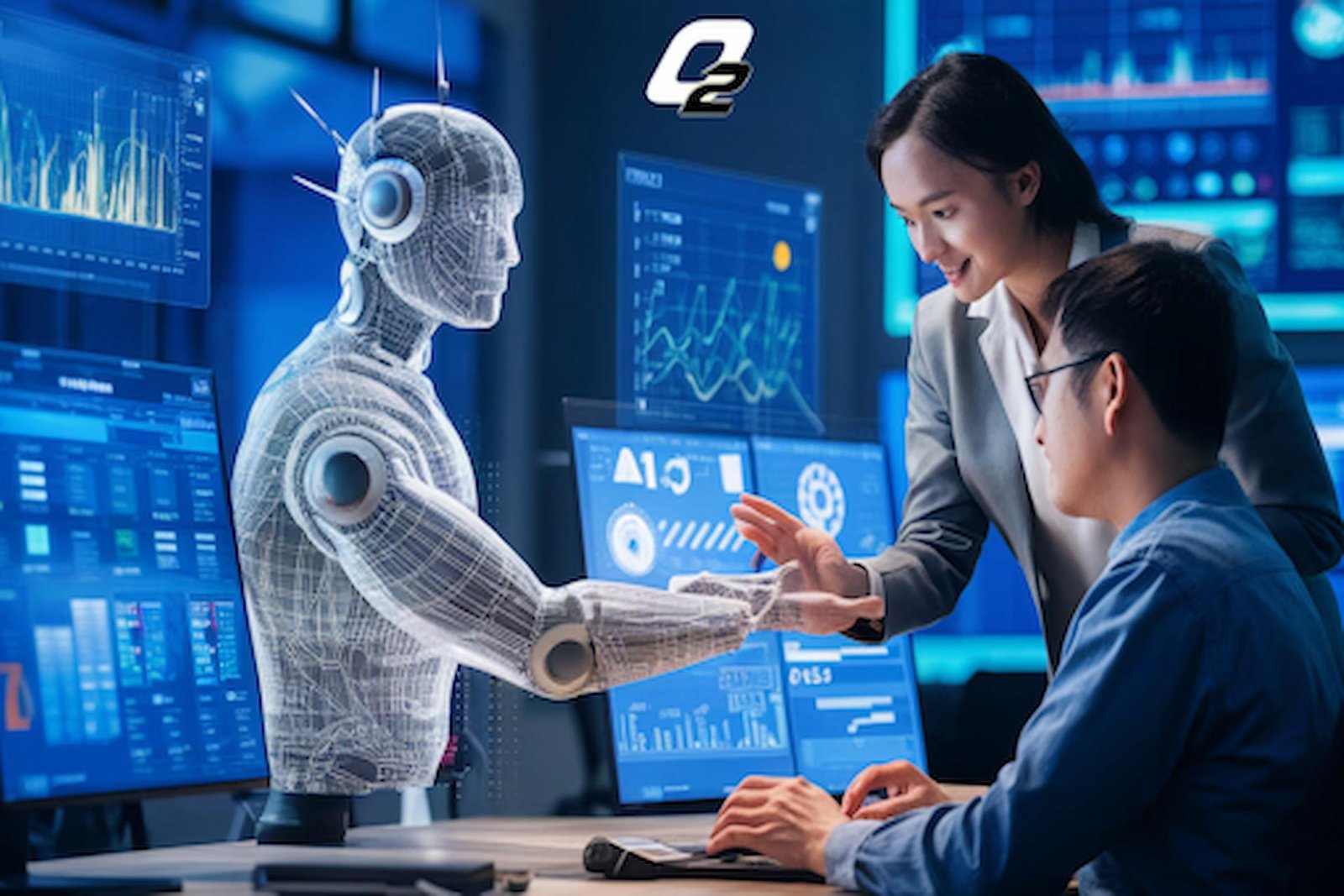
Humanizing AI refers to the process of designing artificial intelligence systems that interact, communicate, and respond in ways that feel natural and authentic to humans. It moves technology beyond simple data processing. Instead of just giving the most logical answer, a humanized AI considers tone, context, and emotion.
Developers achieve this through advanced natural language processing (NLP) and emotional intelligence algorithms. They train the software to recognize subtle cues in human speech and text. For example, if a user sounds frustrated, a humanized AI detects that frustration. It then adjusts its response, using softer language and showing empathy rather than delivering a robotic, factual statement.
Ultimately, humanizing AI means building systems that adapt to human behavior, rather than forcing humans to adapt to how machines operate. It bridges the emotional gap, turning software from a cold utility into an approachable companion.
Why Is Humanizing AI Important in Today’s World?
People expect more from their digital experiences than ever before. We no longer want to click through rigid menus or talk to unfeeling screens. We want intuitive, seamless interactions.
Humanizing AI proves essential because it directly impacts technology adoption. When users encounter a stiff, robotic interface, they feel alienated. They abandon the software and look for alternatives. On the flip side, when an AI system uses conversational language and shows understanding, users feel comfortable. They engage more deeply with the platform.
Furthermore, we increasingly rely on AI to handle sensitive tasks. We use apps to track our mental health, manage our finances, and organize our daily lives. These personal areas require a delicate touch. A machine that cannot simulate empathy will fail to provide the support people actually need. By prioritizing a human touch, we ensure technology serves us in a way that feels supportive rather than transactional.
Key Applications Across Major Industries
Different sectors use this empathetic technology to solve unique challenges. Humanizing AI already drives massive changes across several vital industries.
Transforming Healthcare
Healthcare requires compassion. Patients often feel scared, confused, or overwhelmed when dealing with medical issues. AI developers now create virtual health assistants that simulate a warm bedside manner. These tools answer medical questions using calming, reassuring language. Mental health chatbots use sentiment analysis to detect anxiety in a user’s text, providing supportive responses and coping mechanisms when human therapists remain unavailable.
Elevating Customer Service
Customer service agents face high stress levels, often dealing with angry buyers. Traditional bots only escalate this frustration by looping through useless prompts. Humanized AI changes this dynamic. When a customer reaches out about a missing package, the AI recognizes the urgency. It apologizes sincerely, takes ownership of the problem, and guides the user to a solution using natural, conversational dialogue. This immediate empathy diffuses tension and saves the customer relationship.
Innovating Education
Learning new concepts involves making mistakes, which can discourage students. Educational software now uses humanized AI to provide better feedback. Instead of simply marking an answer wrong, an AI tutor offers gentle, encouraging guidance. It might say, “You are so close! Let’s look at this specific step together.” This supportive approach builds confidence, keeping students engaged and motivated to master the material.
The Benefits: Improving User Experience and Trust
Integrating humanized AI into your systems provides clear, measurable advantages. These benefits center heavily on how people perceive and interact with your brand.
First, humanizing AI builds instant trust. Trust forms the foundation of any successful relationship. When a machine speaks naturally and acknowledges user emotions, people lower their guard. They feel safe sharing information and relying on the software for important tasks.
Second, it dramatically improves the overall user experience. Complex interfaces frustrate users. Conversational AI allows people to interact with software exactly as they would speak to a friend. This accessibility means anyone can use the technology, regardless of their technical skill level.
Finally, empathetic technology drives long-term loyalty. Customers remember how a brand makes them feel. If your AI support system makes them feel valued and respected during a crisis, they will return to your business again and again.
Challenges and Ethical Considerations
While the potential of humanizing AI excites developers, it also introduces serious ethical challenges. We must navigate these issues carefully to protect users.
The most prominent challenge involves transparency. If an AI sounds perfectly human, a user might genuinely believe they are speaking to a real person. Deceiving users damages trust instantly. Companies must find a balance between creating natural dialogue and clearly disclosing that the user is interacting with a machine.
Data privacy also raises major concerns. To simulate empathy, an AI must analyze deeply personal data, such as voice inflections, facial expressions, or emotional text patterns. Collecting and storing this emotional data requires strict security measures. Users must retain control over how systems use their personal information.
Lastly, developers face the risk of bias in emotion recognition. If developers train an AI on a narrow dataset, the system might misinterpret cultural differences in communication. It could falsely label a passionate user as angry, leading to inappropriate responses. Ensuring diversity in training data remains crucial for fair and accurate emotional intelligence.
Start Building More Empathetic Solutions
Technology should enhance human connection, not replace it. Humanizing AI represents a massive leap forward in how we design, build, and interact with the digital world. By prioritizing empathy, conversational flow, and emotional intelligence, we can turn cold software into supportive, engaging experiences.
Examine the digital tools you use and create. Look for areas where interactions feel rigid or unfeeling. Explore the potential of humanized AI to bridge that gap. Start building and demanding technology that understands us better, fostering more empathetic and effective solutions for everyone.