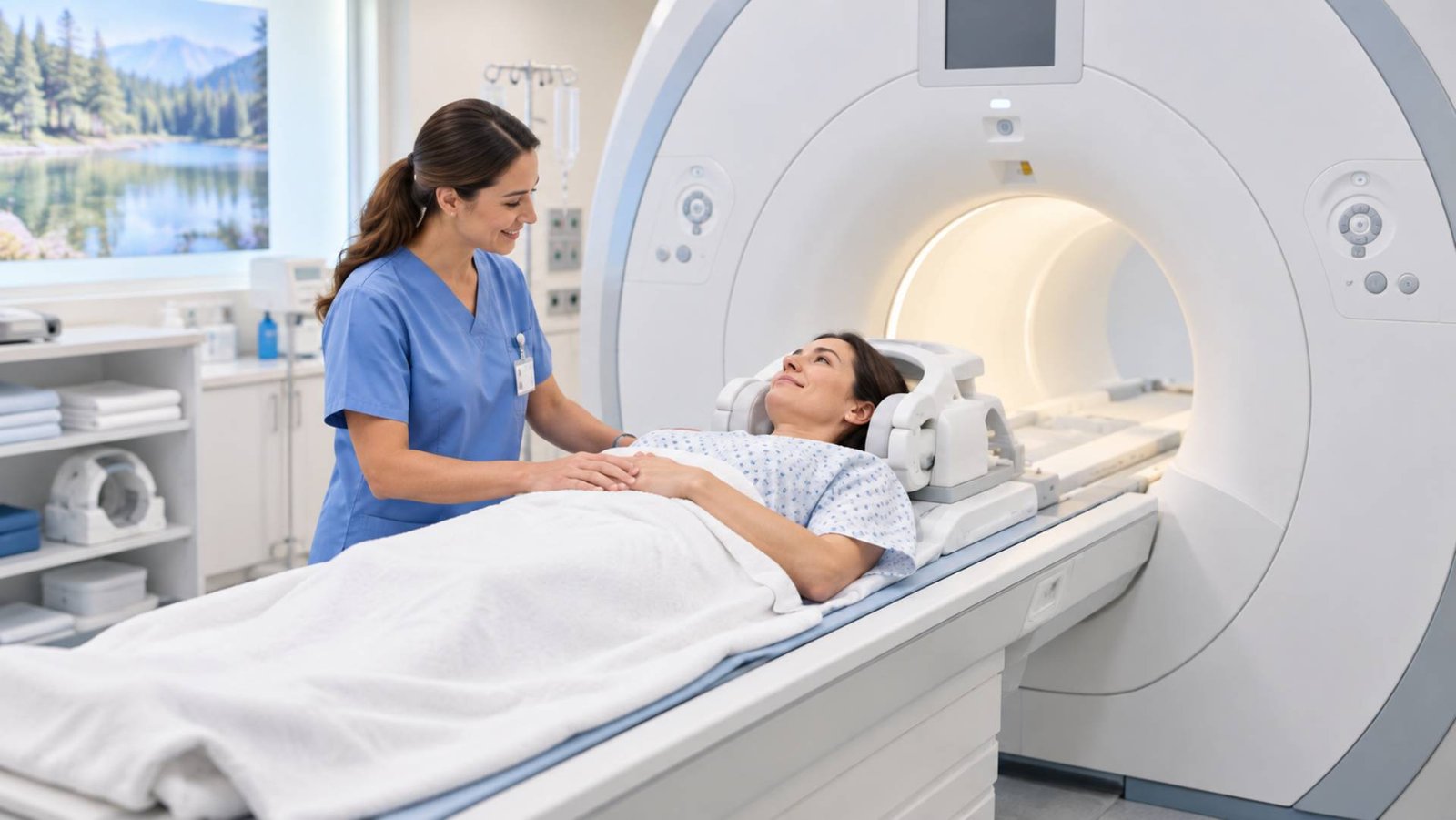
A first MRI appointment can feel unfamiliar long before the scan begins. The machine looks different from an x-ray unit, the booking instructions may mention safety questions, and people often wonder what they will hear or feel. Knowing the basic sequence can make the day easier to understand, while the imaging practice’s own instructions should always take priority because preparation varies with the examination.
MRI stands for magnetic resonance imaging. It uses a strong magnetic field and radio waves to create detailed images of structures inside the body, and it does not use x-ray radiation. The scanner is commonly shaped like a tunnel with a table that moves into the opening. Medical imaging services use MRI for many different clinical questions, so the body area being examined and the exact technique will affect how the appointment is organised.
Safety screening is an important part of preparation. Patients are usually asked about implanted devices, previous operations and metal in or on the body. Some implants are compatible with MRI and others need specific checks, so it is important to give accurate information rather than assume an item is safe. People should also tell the practice about possible pregnancy, relevant health conditions or any concern mentioned in their booking information.
Clothing and personal items may need attention because metal can interfere with the magnetic environment. A practice may ask a patient to change into a gown and remove jewellery, keys, cards, a phone or other belongings before entering the scanner area. Instructions differ, so patients should follow what they are told when booking and on arrival. If fasting or another preparation is required, the practice should provide details in advance.
During the scan, the patient normally lies on the table while the part of the body being examined is positioned for clear images. The scanner makes loud knocking or tapping sounds when it is collecting images, and hearing protection is generally provided. Staying still is important because movement can blur the pictures.
Some MRI examinations use a contrast agent to make particular tissues or blood vessels easier to assess. It is not needed for every scan. If contrast is planned, the imaging team may ask health questions or give extra preparation instructions. Patients who are unsure about why it is being considered can ask the referring doctor or imaging staff before the examination. The imaging team should also be told about relevant allergies or health issues requested in the screening process.
People who feel anxious in enclosed spaces should mention this before the appointment rather than waiting until they are on the table. Medical imaging services may be able to explain the scanner design, positioning and communication system, or discuss practical options that are appropriate for the person and the required examination. If medication is being considered for anxiety, that decision should be discussed with a doctor and may affect transport arrangements.
When arranging medical imaging services, patients can confirm appointment time, location, referral requirements and what to bring. Previous relevant images or reports may be useful if requested. Clear preparation reduces delays and leaves more attention for safety questions and instructions on the day.
Scan length varies because MRI examinations are designed around the body area and clinical question. After the images are taken, a radiologist interprets them and provides a report to the referring practitioner. The person who performed the scan may not be able to give an immediate result.
For a first appointment, the most useful preparation is accurate screening information, careful attention to the practice’s instructions and a willingness to ask questions early. Imaging staff can explain the procedure, but individual medical advice and the meaning of the result belong with the relevant healthcare professionals. Knowing that division of roles helps patients arrive prepared without trying to predict the findings before the scan has even taken place.