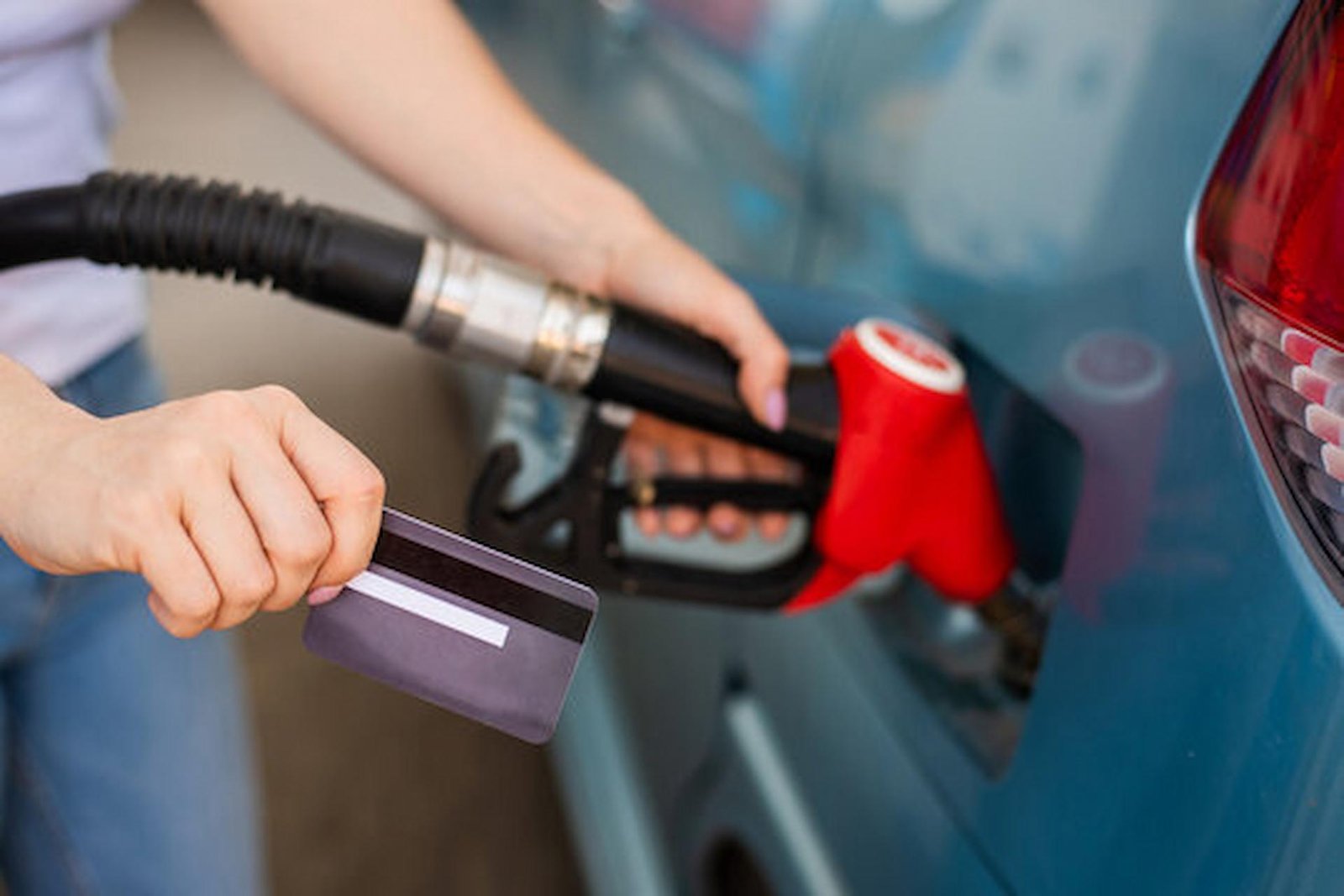
Managing fuel expenses is a routine part of running many businesses, particularly those with fleets or frequent travel requirements. While fuel costs can quickly add up, they also present an opportunity for businesses to reclaim Value Added Tax (VAT), provided the process is handled correctly. This is where structured systems such as fuel cards become highly valuable.
Many organisations are now turning to tools like fuel card issuing software to simplify fuel management and ensure accurate record-keeping. Beyond convenience, fuel cards play a crucial role in helping businesses meet compliance requirements and maximise VAT recovery without unnecessary administrative burden.
Understanding VAT on Fuel Purchases
VAT is typically charged on fuel purchases in the UK, and businesses that are VAT-registered can reclaim a portion of this tax. However, the process is not always straightforward. It depends on how the fuel is used—whether for business, private use, or a mix of both.
For businesses operating vehicles exclusively for work purposes, reclaiming VAT is relatively simple. However, when vehicles are also used privately, companies must either account for this use through detailed records or apply standard methods such as the fuel scale charge. Without proper tracking, businesses risk errors, missed claims, or compliance issues.
The Role of Fuel Cards in VAT Reclaim
Fuel cards are designed to streamline fuel purchasing and reporting. Instead of collecting individual receipts, drivers use a card to pay for fuel, and all transactions are recorded automatically. This creates a centralised system that simplifies accounting and VAT reporting.
With the support of fuel card issuing software, businesses gain access to detailed transaction data, including dates, locations, fuel types, and amounts. This level of visibility is essential for accurate VAT claims, as it provides clear evidence of business-related fuel usage.
Accurate Record-Keeping Made Simple
One of the main challenges in reclaiming VAT is maintaining accurate and complete records. Traditional methods rely heavily on manual processes, which are prone to errors and omissions. Missing receipts or unclear documentation can lead to rejected claims or audits.
Fuel cards eliminate much of this risk by:
- Automatically recording every transaction in real time
- Providing itemised invoices that meet VAT requirements
- Reducing reliance on paper receipts
- Ensuring consistency across all drivers and vehicles
This structured approach not only improves accuracy but also saves time for finance teams, allowing them to focus on higher-value tasks.
Differentiating Business and Private Use
For businesses where vehicles are used for both work and personal travel, separating these expenses is essential. Fuel cards make this process more manageable by linking transactions to specific vehicles or drivers.
With detailed reporting tools, businesses can analyse fuel usage patterns and determine what portion qualifies for VAT reclaim. Some systems also allow integration with mileage tracking, further enhancing accuracy.
While the phrase fuel card issuing software may sound technical, its practical value lies in simplifying these everyday tasks. It provides clarity, reduces guesswork, and ensures that VAT claims are based on reliable data.
Reducing Administrative Burden
Manual expense management can be time-consuming, especially for businesses with multiple vehicles or employees. Collecting receipts, verifying claims, and processing reimbursements often leads to delays and inefficiencies.
Fuel cards help reduce this burden by automating key aspects of the process. Instead of handling numerous individual transactions, businesses receive consolidated invoices that are easy to review and process. This not only speeds up accounting workflows but also minimises the risk of human error.
Over time, this efficiency translates into cost savings, as fewer resources are required to manage fuel expenses and VAT claims.
Enhancing Compliance and Audit Readiness
VAT compliance requires accurate documentation and a clear audit trail. In the event of an audit, businesses must be able to demonstrate that their claims are legitimate and supported by evidence.
Fuel cards provide this assurance by maintaining detailed records that are easy to access and verify. Each transaction is logged with relevant information, making it straightforward to track fuel usage and justify VAT claims.
This level of transparency is particularly important for businesses operating at scale, where even small discrepancies can lead to significant financial implications.
Key Benefits of Using Fuel Cards for VAT Reclaim
Fuel cards offer a range of practical advantages that go beyond basic expense management. When it comes to VAT recovery, their benefits are especially clear:
- Improved accuracy: Automated records reduce the risk of errors in VAT claims
- Time savings: Consolidated reporting simplifies accounting processes
- Better visibility: Detailed data helps track fuel usage and identify trends
- Enhanced compliance: Clear audit trails support regulatory requirements
- Cost control: Insights into spending enable more informed decision-making
These benefits make fuel cards a valuable tool for businesses looking to optimise their financial operations while maintaining compliance.
Supporting Smarter Financial Management
Beyond VAT reclaim, fuel cards contribute to broader financial management strategies. By providing real-time insights into fuel spending, businesses can identify inefficiencies, monitor driver behaviour, and implement cost-saving measures.
For example, unusual spending patterns may indicate misuse or inefficiencies that can be addressed promptly. Over time, these insights help organisations build more sustainable and cost-effective operations.
The integration of fuel card issuing software into existing systems further enhances this capability, enabling seamless data sharing and improved reporting across departments.
Conclusion
Fuel cards have become an essential tool for businesses managing fuel expenses, particularly when it comes to reclaiming VAT. By automating transaction tracking, improving record accuracy, and simplifying reporting, they remove many of the challenges associated with traditional methods.
With the support of structured systems like fuel card issuing software, businesses can ensure compliance, reduce administrative workload, and maximise their VAT recovery. In a landscape where efficiency and accuracy are increasingly important, adopting such solutions is not just practical—it is a strategic advantage.