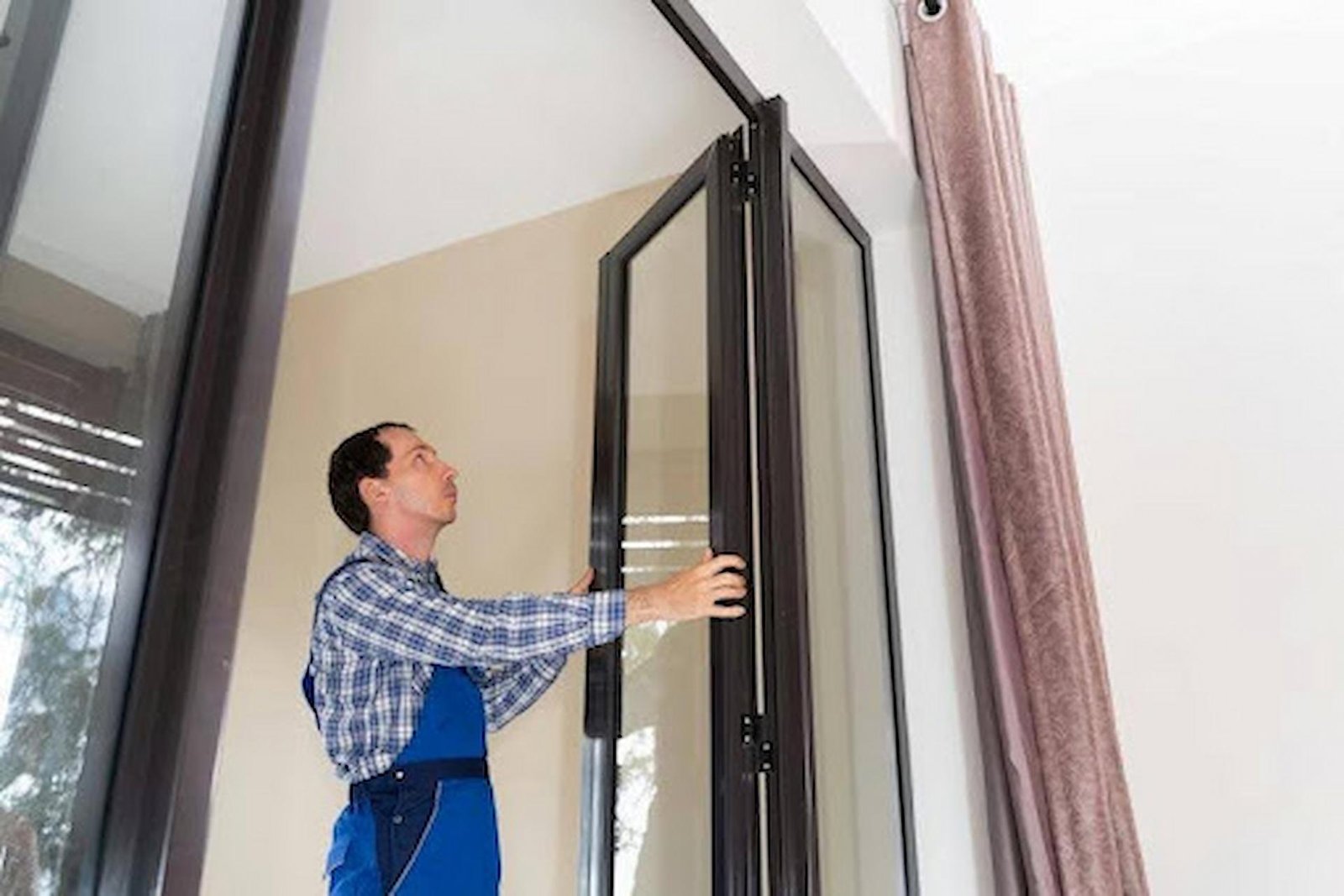
Window replacement today goes far beyond simply updating the look of your home. The choice of frame material—whether prioritising thermal insulation, resistance to moisture and warping, structural strength, or minimal maintenance—directly affects energy bills, indoor comfort, and long-term durability. From uPVC and aluminium to timber and composite options, each material performs differently under changing weather conditions and daily wear. Selecting the right frame isn’t just a design decision; it’s a practical investment in efficiency, resilience, and lasting value.
Replacing windows is often driven by comfort issues, rising energy bills, or visible defects such as condensation between panes that lead homeowners to consider misted double glazing replacement. While glass performance matters, the frame material is just as important. Each material behaves differently in terms of insulation, lifespan, upkeep, and cost. Knowing these differences ensures your investment delivers consistent performance over time.
uPVC Windows
uPVC windows are widely used due to their strong insulation properties, weather resistance, and minimal maintenance needs. They offer reliable thermal performance and long-term durability at an accessible cost.
Why uPVC remains a popular choice
uPVC (unplasticised polyvinyl chloride) is one of the most widely used materials in modern window replacement. It is lightweight, resistant to moisture, and offers strong thermal insulation.
Key advantages include:
- Excellent resistance to rot, corrosion, and weathering
- Low maintenance with no painting required
- Good energy efficiency when paired with modern double or triple glazing
uPVC frames are particularly effective at reducing draughts and heat loss, making them suitable for properties focused on efficiency and ease of ownership.
Considerations with uPVC
While modern finishes have improved significantly, uPVC may offer fewer design options compared to other materials. Colour stability has improved, but prolonged exposure to intense sunlight can still affect appearance over time.
Aluminium Windows
Aluminium frames are known for their strength and slim profiles, allowing larger glass areas and a modern appearance. With thermal breaks, they deliver durability while meeting contemporary energy standards.
Strength and slim profiles
Aluminium frames are valued for their structural strength. This allows for slimmer frames and larger glass areas, which can enhance natural light and modern aesthetics.
Benefits include:
- High durability and resistance to warping
- Slim sightlines for a contemporary appearance
- Fully recyclable material
Modern aluminium windows use thermal breaks, which are insulating barriers inside the frame, to improve energy performance and reduce heat transfer.
Energy performance considerations
Without thermal breaks, aluminium conducts heat efficiently, which is not ideal for insulation. When evaluating aluminium options, confirming the presence of advanced thermal insulation is essential for long-term comfort and compliance with building standards.
Timber Windows
Timber windows provide natural insulation and a traditional aesthetic that suits many property styles. They offer flexibility in design but require regular maintenance to preserve performance and appearance.
Natural insulation and character
Timber has been used in window construction for centuries and remains relevant in modern replacement projects. Wood is a natural insulator and offers a traditional appearance that suits a wide range of architectural styles.
Key benefits include:
- Strong natural thermal performance
- Flexible design options and finishes
- Repairable surface that can be refinished
Timber is often chosen where appearance and authenticity are priorities.
Maintenance requirements
Unlike uPVC or aluminium, timber requires regular care. Protective coatings must be maintained to prevent moisture ingress and surface degradation. Advances in engineered timber have improved stability, but maintenance remains an important consideration.
Composite Windows
Composite windows combine materials, typically timber and aluminium, to balance insulation, durability, and reduced upkeep. This approach delivers high performance with enhanced longevity and visual appeal.
Combining the best of multiple materials
Composite windows use more than one material to balance performance and appearance. Common designs combine timber internally with aluminium externally, offering warmth inside and weather resistance outside.
Advantages include:
- High energy efficiency
- Reduced maintenance compared to pure timber
- Long service life
Composite frames tend to sit at a higher price point, but their balanced performance often justifies the investment.
Material Choice and Glazing Performance
Window materials directly affect how glazing performs over time. Even high-quality glass can underperform if the surrounding frame allows heat loss or moisture ingress. Issues such as condensation between panes often prompt homeowners to explore misted double glazing replacement, but resolving the underlying frame suitability is just as important for lasting results.
Practical Tips for Choosing the Right Material
Selecting the right window material involves balancing energy efficiency, maintenance expectations, visual compatibility, and lifespan. A considered choice ensures consistent comfort and long-term value.
When comparing materials for modern window replacement, consider the following:
- Energy efficiency: Look for materials that support effective sealing and insulation.
- Maintenance commitment: Choose a material that fits your willingness to maintain it.
- Aesthetic compatibility: Ensure the frame complements the property’s design.
- Longevity: Consider how each material performs over decades, not just initially.
- Budget balance: Weigh upfront cost against long-term savings and durability.
These factors help align material choice with both immediate needs and future performance.
In summary
Modern window replacement is about more than appearance. Frame materials influence insulation, durability, maintenance, and overall comfort. Whether addressing efficiency concerns or planning a misted double glazing replacement, understanding how uPVC, aluminium, timber, and composite frames perform allows homeowners to make informed, practical decisions that deliver reliable results over time.